
Marine Surveys – A Complete Guide to Boat and Yacht Surveys in London, Kent and across UK
By: Clayton Layton
- What Is a Marine Survey?
- What Does a Marine Survey Look At?
- Why Every Boat Owner Should Understand Marine Surveys
- Who Needs a Marine Survey?
- What Is the Difference Between a Marine Survey and a Boat Inspection?
- Types of Marine Surveys
- Benefits of Hiring an Independent Marine Surveyor
- Choose an Independent Marine Surveyor in London, Kent and Across UK
- What Should You Do Before Booking a Marine Survey?
- Boats That Can Be Surveyed
- What Does a Marine Survey Include?
- The Marine Survey Process
- Areas Covered
- Why Choose Our Marine Surveying Service?
Boat and Yacht Surveys
Buying, owning or selling a boat is a significant investment. Whether you have a sailing yacht on the River Thames, a motorboat based in Kent, or a classic vessel kept on the South Coast, understanding the true condition of your boat is essential.
A marine survey provides an independent assessment of a vessel’s condition, construction, systems and overall suitability for its intended use. It can identify defects that may not be obvious during a casual inspection and can give owners, buyers, insurers and lenders a much clearer picture of a boat’s condition and value.
For boat owners in London, Kent and the surrounding areas, a professional marine survey can be particularly valuable. Boats are exposed to demanding environments, including salt water, moisture, corrosion, changing temperatures and prolonged periods afloat. Problems that appear minor can sometimes develop into expensive structural or mechanical repairs if they are not identified early.
Whether you are purchasing a used yacht, arranging insurance, preparing your boat for sale or simply want to understand its current condition, an independent marine survey can provide valuable information and peace of mind.
What Is a Marine Survey?
A marine survey is a detailed professional examination of a boat or yacht carried out by a suitably experienced marine surveyor.
The precise scope of a survey depends on the type of vessel, its age, construction, intended use and the reason for the survey. A survey may assess the vessel’s structural condition, hull, deck, machinery, electrical systems, plumbing, safety equipment and other accessible components.
Depending on the survey being commissioned, the vessel may be examined both in the water and out of the water. An out-of-water inspection can be particularly important because it allows the surveyor to examine areas such as the hull below the waterline, through-hulls, sea valves, stern gear, rudders, propellers and the condition of antifouling.
A marine survey is not simply a checklist. An experienced surveyor considers the vessel as a whole and identifies areas that may require further investigation, maintenance or repair.
The final report will normally document the surveyor’s findings and may distinguish between defects requiring immediate attention and items that should be monitored or addressed as part of normal maintenance.
The Royal Yachting Association (RYA) recommends that buyers consider having a second-hand boat surveyed before completing a purchase. The findings can influence whether a transaction proceeds, whether the purchase price is renegotiated or, in some circumstances, whether the buyer decides not to proceed.
What Does a Marine Survey Look At?
The exact inspection will vary from boat to boat, but a marine survey can cover areas such as:
- Hull and underwater structure
- Decks and superstructure
- Keel and keel attachment
- Rudder and steering arrangements
- Propeller and shaft or stern-drive system
- Through-hulls and sea valves
- Bilge areas
- Engine installation
- Fuel and water systems
- Electrical systems
- Batteries and charging systems
- Plumbing and pumps
- Gas installations, where applicable
- Rigging and spars on sailing yachts
- Deck hardware and fittings
- Interior structure and joinery
- Safety equipment
- General condition and maintenance
- Evidence of previous repairs or modifications
- Signs of corrosion, osmosis, water ingress or structural deterioration
A surveyor may also review available documentation and maintenance records where these form part of the agreed scope.
It is important to understand that a marine survey is generally a condition assessment, not a guarantee that every component of a vessel will operate perfectly or remain defect-free after the survey. Some equipment may require specialist testing or examination by an appropriately qualified technician.
Why Every Boat Owner Should Understand Marine Surveys
You do not have to be buying a boat to benefit from understanding marine surveys.
A vessel can look excellent from the outside while concealing problems below the surface. Cosmetic improvements, fresh antifouling, polished gelcoat and a clean interior can make a boat appear to be in exceptional condition without necessarily telling you anything about its structural integrity or the condition of its hidden systems.
Regular professional assessment helps provide an objective view.
1. Identify Problems Before They Become Expensive
Small marine defects can develop into significant problems.
For example, water ingress may initially appear as a minor damp patch. Over time, however, persistent moisture can contribute to deterioration of structural components, interior materials and electrical systems.
Likewise, corrosion around fittings or underwater components may initially seem insignificant but can become a major maintenance concern.
A marine survey can help identify areas that deserve attention before they develop into more expensive repairs.
2. Understand the True Condition of Your Boat
Boat owners often become familiar with their vessels and may understandably focus on the areas they use most frequently.
An independent survey provides a fresh pair of eyes.
It can help establish what condition the vessel is actually in rather than relying solely on assumptions based on age, appearance or previous maintenance.
This can be particularly useful when a boat has changed ownership, undergone extensive repairs or has an incomplete maintenance history.
3. Support Insurance Requirements
Insurance companies may request a recent survey depending on the vessel, its age, value, use and the terms of the policy.
A survey can provide an insurer with information about the vessel’s current condition and may identify recommendations that need to be addressed before cover is provided or renewed.
Insurance requirements vary, so boat owners should always confirm exactly what their insurer or broker requires.
It is also important to remember that a survey does not replace an insurance policy. Instead, it can form part of the information used to assess the vessel and its insurability.
4. Help Establish an Appropriate Value
A marine survey can also assist with establishing the value of a boat.
A valuation may be required for purposes such as insurance, finance, estate planning, purchase or sale.
The condition of a vessel can have a substantial impact on its value. Two boats of the same make, model and age may have very different market values depending on their maintenance history, equipment, upgrades and overall condition.
A professional valuation should therefore take the individual vessel into account rather than relying solely on a generic market price.
5. Plan Maintenance More Effectively
A good survey report can become a useful maintenance planning document.
Instead of approaching boat maintenance reactively, owners can use survey findings to prioritise work.
For example, recommendations can be considered in terms of:
Immediate attention: Issues that could affect safety, structural integrity or the reliable operation of the vessel.
Short-term maintenance: Problems that should be addressed relatively soon to prevent deterioration.
Routine maintenance: Items that can be incorporated into the vessel’s normal maintenance programme.
This approach can help owners budget for future expenditure and avoid being faced with several unexpected repairs at the same time.
Who Needs a Marine Survey?
Marine surveys are useful for a wide range of boat owners and marine businesses.
Boat Buyers
A pre-purchase survey is one of the most important types of marine survey for anyone buying a second-hand boat.
A boat can represent a substantial financial commitment, and a survey can uncover defects that may not be apparent during a viewing.
The survey should ideally be commissioned by the buyer and conducted by an independent surveyor.
If significant problems are identified, the findings can be used as part of discussions with the seller and may influence the final purchase decision.
The RYA specifically recommends that prospective buyers consider a survey after viewing a second-hand boat and having an offer accepted.
Existing Boat Owners
You do not need to be buying or selling to arrange a marine survey.
An existing owner may commission a survey to establish the current condition of a vessel, especially if:
- The boat has not been surveyed for several years
- The vessel has changed ownership
- Major repairs have been carried out
- The boat has undergone a refit
- There has been suspected damage
- The owner is planning a long-distance voyage
- Insurance requirements have changed
- The owner wants an updated valuation
Boat Sellers
A seller may choose to arrange a survey before putting a boat on the market.
Having an independent report can help identify issues in advance and may give prospective buyers greater confidence.
It also gives the seller an opportunity to address significant defects before marketing the vessel.
However, a seller’s survey should not be treated as a substitute for a buyer’s own independent due diligence. A prospective purchaser may still wish to commission their own survey.
Yacht and Boat Insurers
Marine insurers may request survey information before providing or renewing cover on certain vessels.
The requirements vary depending on the insurer and the circumstances, so it is sensible to establish what documentation is required before arranging a survey.
Boat Finance and Marine Lenders
Where a boat is being financed, the lender may require an independent valuation or survey before approving finance.
The exact requirements depend on the lender, vessel and financing arrangement.
Commercial Vessel Operators
Commercially operated vessels can have additional regulatory and certification requirements.
For example, UK small commercial vessels operating for sport or pleasure may fall under the UK’s Sport or Pleasure Vessel Code , introduced in December 2025. Such vessels may require specific surveys and certification through an appropriate certifying authority.
Commercial compliance surveys are therefore different from a conventional private pleasure-boat condition survey, and owners should ensure that they appoint a surveyor with the appropriate experience and authorisation for the work required.
What Is the Difference Between a Marine Survey and a Boat Inspection?
The terms marine survey and boat inspection are sometimes used interchangeably, but they can describe different levels or purposes of assessment.
A boat inspection is often a more limited examination carried out for a particular purpose. For example, an owner may ask a marine professional to inspect a specific component, investigate damage or assess an identified problem.
A marine survey is generally a more structured and comprehensive assessment with a defined scope and written report.
Marine Survey
A marine survey may:
- Examine the overall condition of the vessel
- Assess structural and mechanical areas within the agreed scope
- Identify defects and areas of concern
- Consider the condition of accessible systems
- Document findings in a formal report
- Provide recommendations
- Potentially include a valuation, depending on the survey type
Boat Inspection
A boat inspection may be:
- More limited in scope
- Focused on a particular defect
- Carried out for maintenance purposes
- Used to investigate damage
- Restricted to particular equipment or systems
- Less comprehensive than a full condition survey
Neither term automatically tells you exactly what will be inspected.
This is why it is important to discuss the scope of work with the surveyor before booking. Ask what will be inspected, whether the boat needs to be lifted out, whether machinery will be tested, what documentation will be provided and what limitations apply.
Types of Marine Surveys
Different circumstances call for different types of marine survey.
Pre-Purchase Boat Survey
A pre-purchase survey is designed to help a prospective buyer understand the condition of a vessel before completing the purchase.
It is particularly valuable when buying a used boat, where the vessel’s maintenance history and previous repairs can vary considerably.
A pre-purchase survey may cover the hull, structure, machinery, electrical systems, equipment and general condition, depending on the agreed scope.
A sea trial can also be valuable because it provides an opportunity to observe the vessel under operating conditions. The RYA notes that a sea trial can help establish how a boat performs in the water and recommends considering one as part of the buying process.
Insurance Survey
An insurance survey is generally commissioned to provide an insurer with information about a vessel’s condition and, where applicable, its value.
The requirements can differ between insurers, so owners should establish the required scope before commissioning the survey.
Valuation Survey
A valuation survey focuses on determining an appropriate value for the vessel.
This may be required for insurance, finance, sale, estate purposes or other financial reasons.
Condition Survey
A condition survey provides an assessment of the vessel’s current condition.
This can be useful for existing owners who want an independent assessment without necessarily intending to sell or purchase the boat.
Damage Survey
Following an accident, grounding, collision, flooding or other incident, a surveyor may be appointed to assess damage.
The survey can help establish the extent of the damage and identify areas requiring repair or further investigation. The scope of a damage survey should be agreed carefully, particularly where insurance claims or potential third-party liability are involved.
Benefits of Hiring an Independent Marine Surveyor
Choosing an independent marine surveyor is one of the most important decisions you can make when arranging a survey.
The central benefit is independence.
- An Objective Opinion
When buying a boat, there can be considerable pressure to complete the transaction.You may already have spent time travelling to view the boat, negotiating with the seller and arranging finance, transport or a berth.
An independent surveyor has no financial interest in whether the sale proceeds. Their role is to report on the vessel within the agreed scope of the survey.That independent perspective can be extremely valuable. - Experienced Eyes
Marine vessels contain complex systems and construction details that may not be obvious to someone without specialist experience.
An experienced surveyor knows where problems can commonly occur and what signs may justify further investigation.
They can distinguish between normal wear and potentially significant defects and can identify areas that deserve closer attention. - Potentially Save Money
The cost of a survey is small compared with the potential cost of major boat repairs.
A survey may reveal issues that influence your decision before you commit to the full purchase price.
Depending on the findings, you may be able to negotiate repairs or a revised price, or decide that the boat is not suitable for your requirements.
The RYA similarly notes that survey findings can lead to price renegotiation or affect whether a purchase proceeds. - Better Informed Decisions
A survey does not simply tell you whether a boat is “good” or “bad”.
It provides information that allows you to make a more informed decision.
Every older boat will have some wear and maintenance requirements. The key question is whether the condition is acceptable for the boat’s age, type, value and intended use.
An independent survey helps put those issues into context. - A Written Record
A professional survey report provides a written record of observations made at the time of inspection.
This can be useful for future maintenance planning, discussions with insurers, negotiations during a purchase or establishing a baseline condition for future reference. - Local Knowledge
For owners in London and Kent, choosing a surveyor familiar with the local boating environment can be particularly useful.
The Thames, Medway, Swale, coastal Kent and nearby marinas present different operating environments.
A surveyor working regularly in the area can also be familiar with local marinas, boatyards, lifting arrangements and the practical requirements of inspecting vessels in different locations.
Marine Surveys in London, Kent and Across UK
Boat owners across London and Kent have access to a wide variety of vessels, from small inland craft and river cruisers to sailing yachts, motor yachts and larger pleasure boats.
A marine survey can be arranged for vessels located at a marina, boatyard, mooring or other suitable location, subject to access and the requirements of the survey. Whether your boat is located on the River Thames, River Medway, the Kent coast or elsewhere in the surrounding region, the survey should be tailored to the vessel and the reason for commissioning it.
The inspection arrangements may depend on whether the boat is afloat or ashore.For example, an out-of-water survey may require the vessel to be lifted using a suitable crane, travel hoist or boatyard facility. This can provide access to underwater areas that cannot be adequately examined while the vessel remains afloat. If you are arranging a pre-purchase survey, it is worth considering these practicalities before agreeing a completion date with the seller.
Choose an Independent Marine Surveyor in London, Kent and Across UK
A marine survey is an investment in information.
Whether you are spending thousands or hundreds of thousands of pounds on a vessel, understanding its condition before making an important decision can provide significant peace of mind. For existing owners, a survey can highlight maintenance priorities and provide an independent assessment of a vessel’s condition. For buyers, it can help uncover defects before completion and provide valuable information during negotiations. For sellers, insurers and lenders, a professional survey can provide useful evidence about the vessel’s condition and value.
Most importantly, the survey should be independent, clearly scoped and appropriate for the vessel and its intended use.
If you are looking for marine surveys in London or Kent, a professional marine surveyor can help determine which type of survey is appropriate for your boat and circumstances.
Whether you are buying a yacht, owning a motorboat, preparing a vessel for sale or simply want to know more about the condition of your boat, an independent marine survey can help you make better-informed decisions.
Contact us today to discuss your boat or yacht survey requirements in London, Kent and the surrounding areas.
What Should You Do Before Booking a Marine Survey?
Before appointing a surveyor, establish exactly what you need the survey to achieve. Consider:
- Why do you need the survey?
Is it for purchase, insurance, valuation, maintenance, damage assessment or another purpose? - What type of vessel is being surveyed?
A sailing yacht, motorboat, narrowboat and classic vessel may require different areas of expertise. - Where is the boat located?
Confirm that the surveyor covers the relevant area of London, Kent or the surrounding region. - Will the boat need to be lifted out?
If underwater areas need to be examined, an out-of-water inspection may be required. - Is a sea trial required?
A sea trial can provide additional information about the vessel’s operation but should be separately agreed. - What is included in the report?
Make sure you understand the scope, terms & conditions, exclusions and limitations. - Does the insurer or lender have specific requirements?
If the survey is for insurance or finance, establish the required format and scope before the inspection takes place. - Are specialist inspections required?
Engines, gas systems, electrical installations, rigging or other specialist components may require additional expertise or testing.
Clear communication before the survey helps ensure that the inspection is appropriate for the intended purpose.
Boats That Can Be Surveyed
Marine surveys can be carried out on a wide range of vessels, from privately owned yachts and river craft to commercial and working boats. Each type of vessel has its own construction methods, systems and common areas of concern, so the survey should always be tailored to the individual boat.
Sailing Yachts
Sailing yachts can benefit from a comprehensive marine survey covering the vessel’s structure, sailing systems and onboard equipment. Depending on the yacht, this may include inspection of the hull, keel, rudder, deck, mast, spars, standing and running rigging, chainplates, sails and deck hardware.
Particular attention may be given to areas where water ingress, corrosion, fatigue or structural movement could occur. For older sailing yachts or vessels preparing for extended passages, an independent condition survey can also help identify maintenance priorities and areas requiring specialist rigging or structural inspection.
Motor Yachts
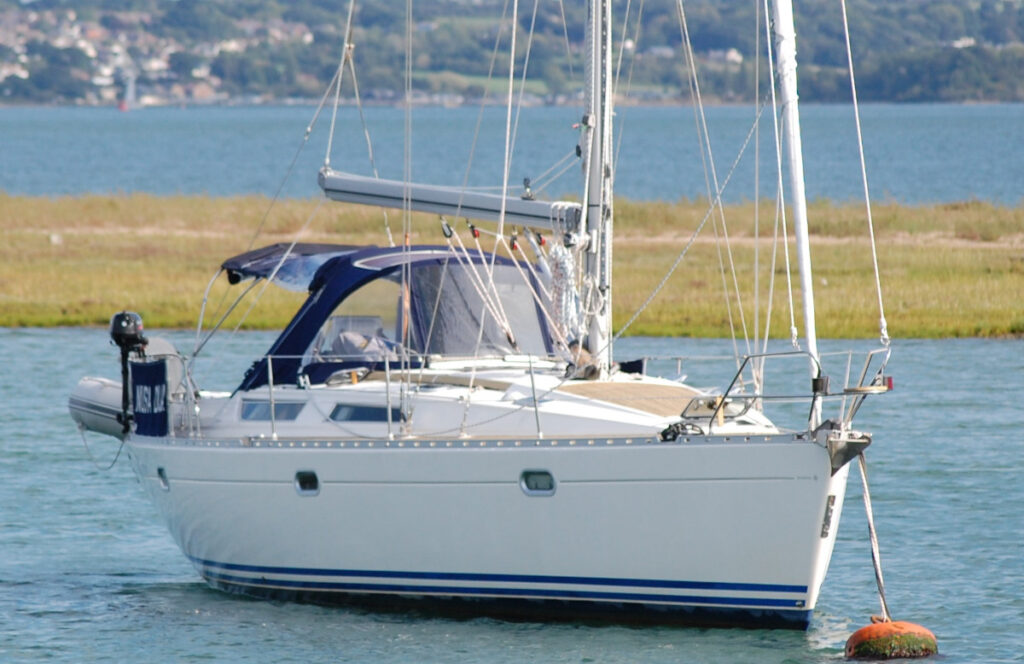
Motor yachts can be surveyed across a broad range of mechanical, structural and onboard systems. A survey may include the hull, decks, superstructure, engines, propulsion system, stern gear, steering, fuel systems, electrical installation, generators, plumbing and other accessible equipment. The surveyor will consider the overall condition of the vessel and identify defects, deterioration or maintenance concerns within the agreed scope.
For a motor yacht purchase, combining a full marine survey with a specialist engine inspection and, where appropriate, a sea trial can provide a more complete understanding of the vessel before the transaction is completed.
Narrowboats
Narrowboat surveys are particularly useful when buying or maintaining a vessel designed for the UK’s inland waterways. A survey can assess the hull plating, welds, coatings, anodes, cabin and superstructure, ballast, internal structure and accessible underwater areas. The survey can also consider the engine, stern gear, fuel system, electrical installation, heating, plumbing and other onboard systems.
Particular attention may be given to corrosion, pitting and the condition of the hull, especially on older steel narrowboats. An out-of-water survey is often valuable because it allows the hull below the waterline to be inspected properly.
Canal Boats
Canal boat surveys can be tailored to vessels operating on inland waterways and may include examination of the hull, superstructure, interior, propulsion system, electrical and domestic systems.
The surveyor can identify areas of corrosion, water ingress, structural deterioration and general maintenance requirements, helping owners or prospective buyers understand the vessel’s condition before committing to a purchase.
RIBs
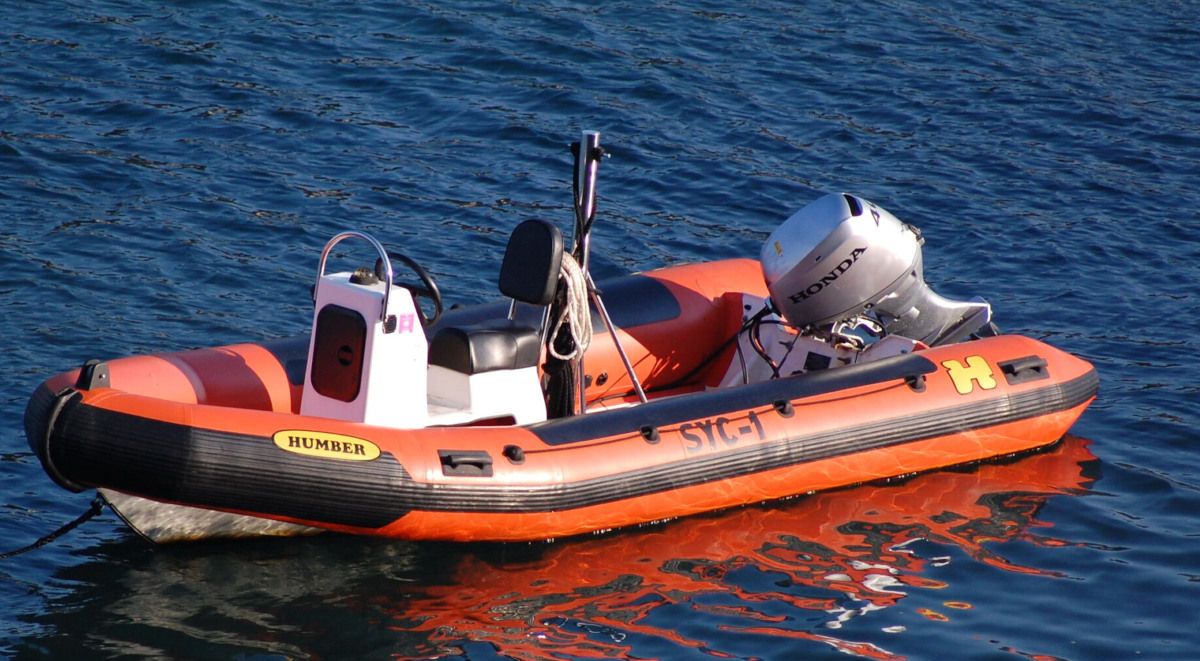
RIB surveys assess rigid inflatable boats with consideration given to the hull, tubes, seams, valves, transom, deck, steering, propulsion and associated systems.
Particular attention can be given to the condition of inflatable tubes and the transom, as well as evidence of impact damage, repairs or deterioration.
Catamarans
Catamaran surveys taking into account, the vessel’s twin-hull configuration and the structural areas connecting the hulls.
Depending on the vessel, the inspection may include hulls, bridge deck, bulkheads, rudders, keels, rigging, engines and onboard systems, with attention to areas where structural loads and water ingress may occur.
Workboats
Workboat surveys can assess the condition, construction, machinery, equipment and operational suitability of vessels used for marine work. The scope can be adapted to the vessel’s particular duties and applicable regulatory requirements.
Fishing Vessels
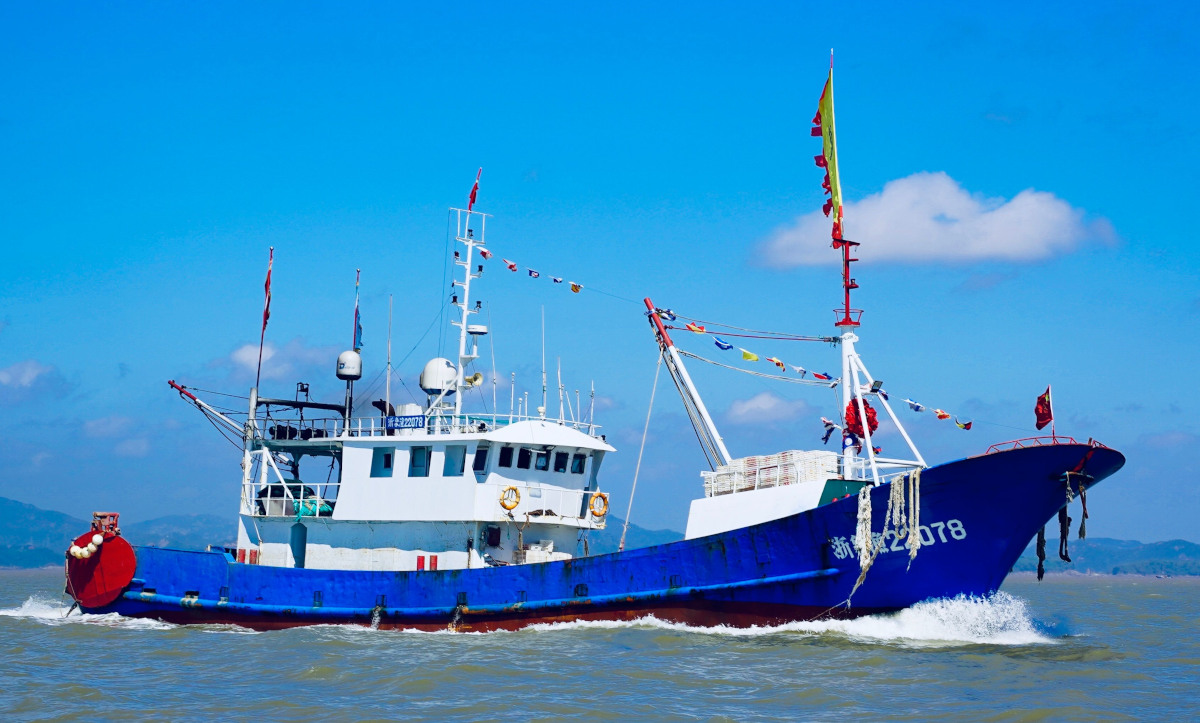
Fishing vessel surveys can cover the hull, deck, machinery, fishing equipment, electrical systems, safety equipment and other accessible components, with the scope tailored to the vessel’s operation and applicable regulatory requirements.
Commercial Vessels
Commercial vessel surveys are tailored to the vessel’s intended commercial operation and may include structural condition, machinery, safety equipment, stability, systems and applicable coding or certification requirements.
Barges
Barge surveys can assess hull structure, plating, decks, internal spaces, ballast arrangements, corrosion and other systems relevant to the vessel’s design and intended use, including commercial or residential applications.
Houseboats
Houseboat surveys can assess the hull, superstructure, accommodation, structural condition and onboard domestic systems, with particular attention to areas affected by prolonged exposure to water, moisture and corrosion.
What Does a Marine Survey Include?
The exact scope of a marine survey depends on the type of vessel, its construction, age, condition and the purpose of the survey. A pre-purchase survey, insurance survey, damage survey and commercial survey may each require a different level of inspection.
A professional marine surveyor will assess the accessible areas of the vessel and identify defects, deterioration, damage and potential safety or maintenance concerns within the agreed scope. Where necessary, further specialist testing or investigation may be recommended.
Hull Inspection
The hull is one of the most important parts of any marine survey. The surveyor will assess the hull’s overall condition and look for signs of structural damage, deterioration, impact, deformation, water ingress, corrosion, previous repairs and other defects.The inspection will vary according to the hull’s construction material.
- GRP: Inspection for cracking, delamination, impact damage, osmosis, repairs and other signs of deterioration.
- Steel: Examination for corrosion, pitting, wastage, weld condition and evidence of previous repairs or modifications.
- Aluminium: Inspection for corrosion, damage, welds and potential issues associated with the vessel’s construction and fittings.
- Wood: Assessment of accessible structural timbers, planking, fastenings, seams and areas where rot, moisture or deterioration may be present.
Where appropriate, an out-of-water inspection can provide access to areas of the hull that cannot be properly examined while the vessel is afloat.
Deck Inspection
The surveyor will inspect the accessible deck areas for signs of structural movement, damage, deterioration, leaks and water ingress.
Deck fittings, fastenings, hatches, windows, rails, cleats and other attached equipment may also be examined within the agreed scope. Particular attention may be given to areas around deck penetrations, where water ingress can occur.
Superstructure
The vessel’s superstructure and cockpit will be inspected for condition, structural integrity and evidence of leaks, cracking, impact damage or previous repairs.
The surveyor may also examine windows, doors, hatches, mouldings and other accessible components forming part of the superstructure.
Interior
The interior inspection considers accessible areas of the accommodation and internal structure.
This may include bulkheads, floors, joinery, bilges, lockers, heads, galley areas, accommodation spaces and other accessible areas. The surveyor will look for signs of water ingress, dampness, deterioration, structural movement, poor modifications or other defects.
Mechanical Systems
The survey can include a visual assessment of accessible mechanical systems and machinery, depending on the agreed scope.
This may include engines, gearboxes, propulsion systems, shafting, stern gear, cooling systems, exhaust arrangements, pumps and generators.
A marine survey is not normally a substitute for a specialist mechanical or engine examination. Where detailed engine condition is important, an independent marine engineer’s inspection or diagnostic testing may be recommended.
Electrical Systems
Accessible electrical installations can be inspected for visible defects, condition, installation standards and signs of overheating, corrosion or damage.
This may include batteries, battery switches, distribution panels, cabling, charging systems, shore-power equipment, generators and other accessible electrical components.
Where a detailed electrical assessment is required, specialist electrical testing may be appropriate.
Plumbing
The surveyor may inspect accessible plumbing systems, including freshwater systems, pumps, tanks, pipework, toilets, showers and associated equipment.
The inspection can help identify visible leaks, deterioration, damage or installation concerns.
Fuel Systems
Fuel tanks, fuel lines, filters, connections, vents and other accessible components can be assessed for condition and visible signs of leakage, corrosion or deterioration. Particular attention may be given to the condition and accessibility of fuel-system components and evidence of previous repairs or modifications.
Gas Systems
Where a vessel has an onboard gas installation, accessible components may be inspected for visible condition, installation and potential safety concerns.
This can include gas bottles, regulators, pipework, appliances and ventilation arrangements, depending on the scope of the survey.
Where certification or specialist gas testing is required, this should be carried out by an appropriately qualified marine gas professional.
Steering
The steering system can be examined for visible condition, operation and signs of wear or damage, depending on accessibility.
This may include steering cables, hydraulic components, linkages, rudder stocks, tillers and associated fittings.
On motor vessels, the inspection may also consider the relationship between steering components and propulsion systems.
Rigging
For sailing yachts, rigging inspection can form an important part of the marine survey.
Accessible standing and running rigging, chainplates, mast and associated fittings may be examined for visible signs of corrosion, wear, damage or deterioration.
A general marine survey should not necessarily be considered a substitute for a specialist rigging inspection, particularly on an older yacht or a vessel preparing for offshore sailing.
Safety Equipment
The surveyor may record and visually assess accessible safety equipment within the agreed scope.
This can include life-saving appliances, fire extinguishers, fire systems, navigation equipment, bilge pumps, emergency equipment and other relevant safety items.
The exact requirements depend on the vessel’s type, use and applicable regulations. Commercial vessels may have additional statutory requirements.
Moisture Testing
Moisture testing can be used to identify elevated moisture levels in appropriate areas of a vessel.
On GRP and composite boats, moisture readings can assist in investigating potential water ingress, moisture-related deterioration and suspected osmosis. Readings need to be interpreted carefully because moisture meters can be affected by construction, coatings, fittings, temperature and other factors.A high reading does not automatically mean that a vessel has osmosis or structural damage. Where readings are abnormal, further investigation may be recommended.
Corrosion Inspection
Corrosion is a common concern across many types of boat, particularly those constructed from steel or aluminium and vessels containing numerous metallic components.The surveyor will look for visible evidence of corrosion, pitting, wastage, staining and deterioration affecting the hull, fittings, fasteners, underwater components and accessible machinery or systems.
Where significant corrosion is suspected, additional testing may be recommended to establish the extent of material loss.
Osmosis Inspection
On GRP vessels, the surveyor may inspect for signs associated with osmosis, including blistering, moisture and other indications of laminate or coating deterioration.
Moisture readings and visual observations can help determine whether further investigation is appropriate.
Osmosis can vary significantly in severity, and the presence of moisture or isolated blisters does not necessarily mean that a vessel requires extensive treatment.
Hull Thickness Testing
Hull thickness testing can be particularly important for steel and aluminium vessels where corrosion or material wastage is suspected.
Ultrasonic thickness measurement can be used to determine the remaining thickness of accessible hull plating and other suitable areas.
The results can help identify areas of significant wastage and may provide useful information when assessing the vessel’s structural condition.
Thickness testing is normally carried out as an additional or specialist service where required, rather than being automatically included in every standard marine survey.
The Marine Survey Process
Arranging a marine survey should be straightforward. From the initial enquiry through to receiving the final report, the process is designed to provide you with a clear and independent assessment of your boat or yacht.
The exact process can vary depending on the type of survey, vessel and location, but a typical marine survey follows these stages.
Initial Consultation
The process begins with a conversation about your vessel and why you require a survey. You may be buying a boat, renewing insurance, arranging finance, planning a refit or investigating damage.
The surveyor will usually need information such as the vessel’s make, model, age, construction, location and intended use. This helps determine the most appropriate type and scope of survey.
Quotation
Once the requirements are understood, you will receive a quotation based on the vessel, location, survey type and agreed scope of work.
The quotation should make clear what is included and identify any additional services that may be required, such as haul-out, sea trial, ultrasonic thickness testing or specialist machinery inspection.
Booking
Once the quotation is accepted, a suitable date can be arranged with the boat owner, broker, seller, marina or boatyard.
For a pre-purchase survey, it is important to coordinate access to the vessel and, where required, arrange suitable lifting facilities.
Boat Haul-Out
Where an out-of-water inspection is required, the boat is lifted from the water using an appropriate boatyard facility.
This provides access to the underwater hull and allows the surveyor to inspect areas such as the keel, rudder, propeller, shaft, stern gear, through-hulls and sea valves, subject to accessibility.The requirement for a haul-out will depend on the type of vessel and survey being undertaken.
Inspection
The surveyor carries out the agreed inspection of the vessel, examining the structure, systems, machinery, equipment and other accessible areas relevant to the scope.The surveyor will look for defects, damage, deterioration, corrosion, water ingress, previous repairs and other issues that may affect the vessel’s condition, value or suitability.
Sea Trial
Where a sea trial is included and conditions allow, the vessel can be operated on the water to assess aspects of its performance.
Depending on the vessel and scope, this may provide an opportunity to observe the engine, propulsion, steering, controls, vibration and general operation.
A sea trial is not a substitute for a detailed mechanical inspection, and specialist engine testing can be arranged where required.
Findings
During and after the inspection, the surveyor considers the findings and identifies significant defects, areas requiring attention and recommendations for further investigation or repair.
The findings should be considered in the context of the vessel’s age, type, construction and intended use.
Written Report
Following the inspection, the surveyor prepares a written report documenting the findings.
The report may include photographs, descriptions of defects, observations, recommendations and, where applicable, valuation information. The precise format and content will depend on the type and scope of survey agreed.
Follow-Up Advice
Once you have received the report, you can discuss the findings with the surveyor and ask questions about the issues identified.
Where appropriate, the surveyor may recommend further specialist investigation, repairs or maintenance.
For a pre-purchase survey, the report can also help you decide whether to proceed with the purchase, negotiate with the seller or obtain specialist quotations before making a final decision.
Areas Covered
We deliver accurate inspections, impartial assessments, and clear reporting that support safe operations, regulatory compliance, and confident commercial decisions for both private and commercial vessels. We cover the whole of England including Kent, Whitstable, Ramsgate, Gravesend, Queensborough, Port of Tilbury, Peel ports, Erith, Dover, London, Southampton, Bristol, Sheerness and all ports around City of London.
Although we provide marine surveys in London and Kent, our surveying service can cover vessels across the UK, including Wales and Scotland subject to availability and location.
Why Choose Our Marine Surveying Service?
Choosing the right marine surveyor is an important decision, particularly when a survey could influence a major boat purchase, insurance policy, finance application or commercial operation.
Our approach is based on independent advice, practical experience and clear reporting, giving you the information you need to make confident decisions about your vessel.
Independent Advice
Our surveys are carried out independently, with the focus on providing an objective assessment of the vessel. We do not have a financial interest in whether a boat is bought or sold, allowing our findings and recommendations to be based on the condition of the vessel and the agreed scope of the survey.
Experienced Surveyors
Our experienced marine surveyors understand the construction, systems and common defects found across a wide range of boats and yachts. From GRP sailing yachts and motor yachts to steel narrowboats, commercial vessels and specialist craft, the survey is tailored to the individual vessel.
Commercial & Leisure Vessels
We survey both leisure and commercial vessels, with the scope adapted to the vessel’s intended use. This can include private yachts and motorboats as well as narrowboats, workboats, fishing vessels, barges and commercial craft where appropriate.
Detailed Digital Reports
You receive a clear, professionally presented digital marine survey report documenting the surveyor’s findings. Reports can include photographs, descriptions of defects, recommendations and other relevant observations, making it easier to understand the vessel’s condition and prioritise any necessary work.
Fast Report Delivery
We understand that survey reports can be time-sensitive, particularly when a boat purchase, insurance renewal or finance application is involved. Our aim is to provide reports promptly following the inspection, with the expected turnaround time agreed with you when the survey is booked.
Competitive Pricing
We provide clear and competitive quotations based on the vessel and the actual scope of work required. Rather than applying a one-size-fits-all approach, the quotation takes factors such as vessel size, type, location and additional requirements into account.
Professional Indemnity Insurance
Our professional indemnity insurance provides an additional level of reassurance when you instruct us to undertake marine surveying work. Details of insurance cover and policy limits can be provided on request.
Pragmatic Approach
Our approach is practical and proportionate. Boats are working assets and older vessels will naturally have some wear and maintenance requirements. We aim to distinguish between routine maintenance, defects that should be addressed and issues that may require urgent attention or specialist investigation.
Rather than simply listing problems, our reports are intended to help you understand the significance of the findings and what action may be appropriate.
After-Survey Consultation
Receiving a marine survey report is not necessarily the end of the process. If you have questions about the findings, we can discuss the report with you and help explain the observations and recommendations.
Where appropriate, we can also advise when further specialist investigation may be worthwhile, such as an engine inspection, rigging examination, electrical testing or hull thickness measurement.Our aim is to ensure that you understand the survey findings and can use the report effectively when making decisions about your boat or yacht.
Nationwide Coverage Across UK
We are based in England, and we cover the whole of England including Kent, Whitstable, Ramsgate, Gravesend, Queensborough, Port of Tilbury, Peel ports, Erith, Dover, London, Southampton, Bristol, Sheerness and all ports around City of London.
Although we provide marine surveys in London and Kent, our surveying service can cover vessels across the UK, including Wales and Scotland subject to availability and location.
Whether your vessel is kept in a marina, boatyard, river mooring, canal or coastal location, contact us with the boat’s location and requirements and we can confirm availability and provide a quotation.